query_search/medium/jsonpath_rust/nested_path
|
|
Additional Statistics:
| Lower bound | Estimate | Upper bound | |
|---|---|---|---|
| Slope | 1.2059 µs | 1.2119 µs | 1.2212 µs |
| R² | 0.8257519 | 0.8280800 | 0.8224373 |
| Mean | 1.2037 µs | 1.2108 µs | 1.2234 µs |
| Std. Dev. | 6.0205 ns | 58.372 ns | 99.425 ns |
| Median | 1.2017 µs | 1.2026 µs | 1.2052 µs |
| MAD | 4.3261 ns | 6.2151 ns | 7.8187 ns |
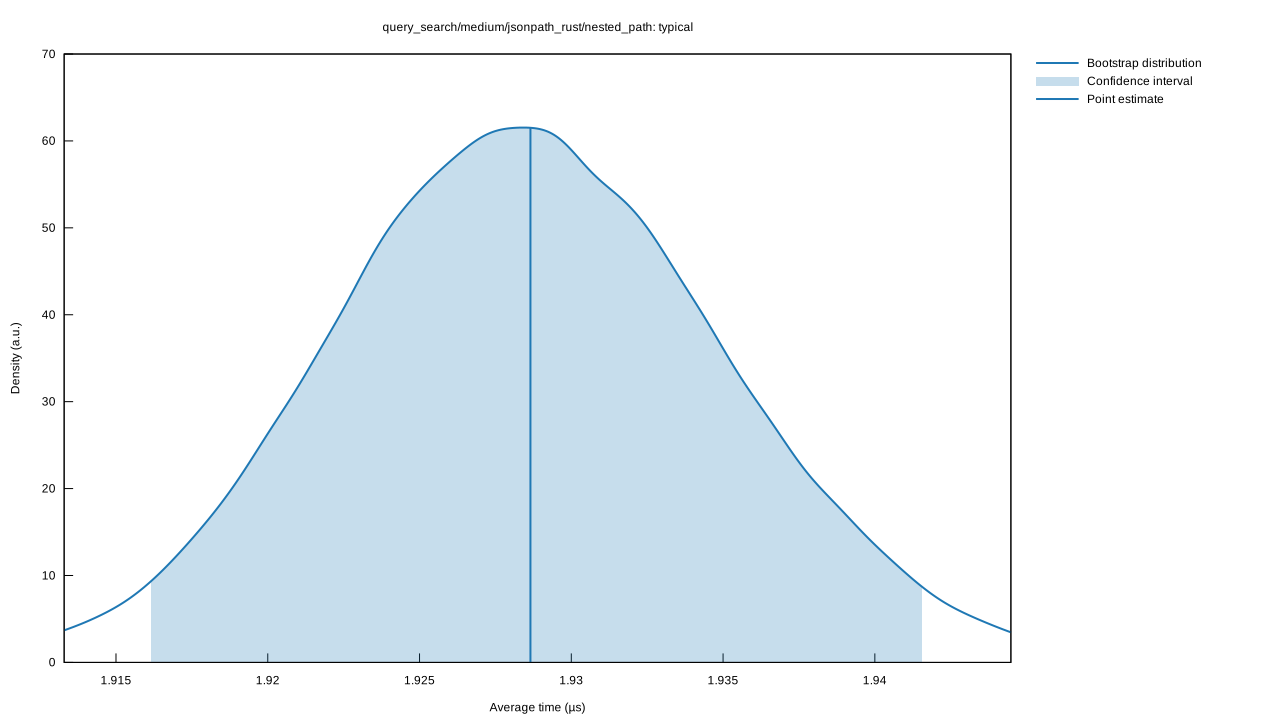
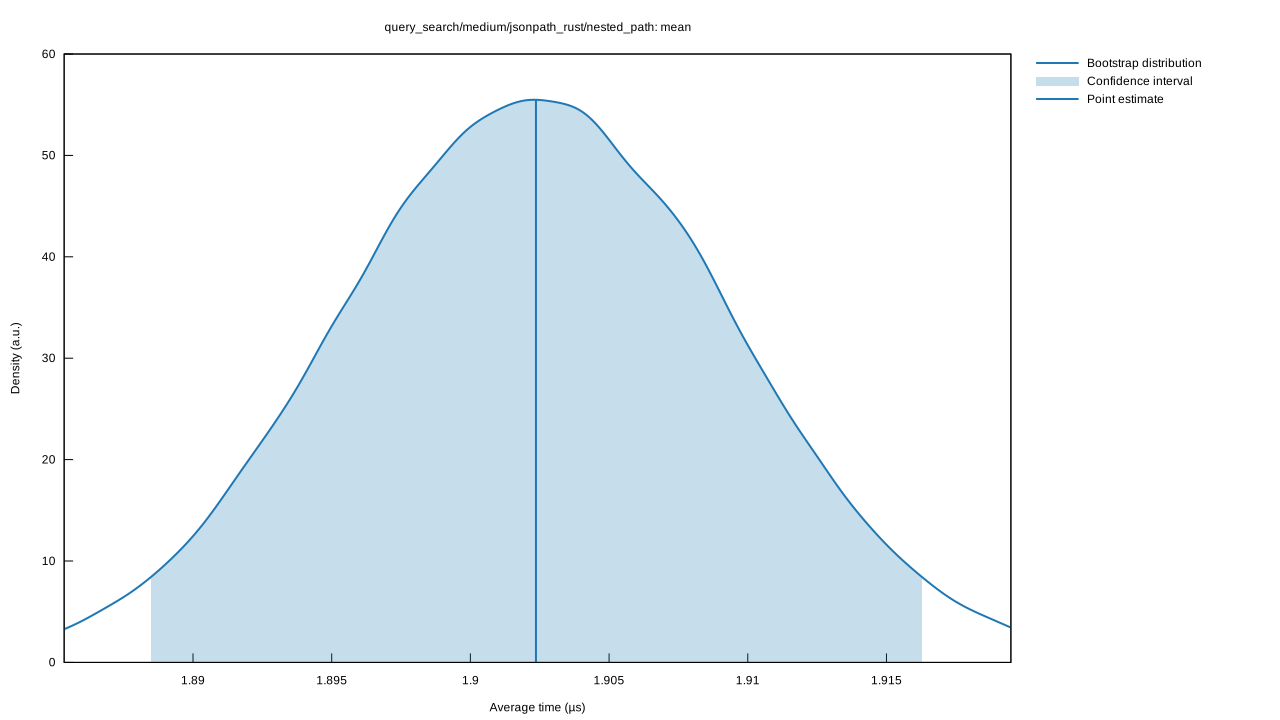
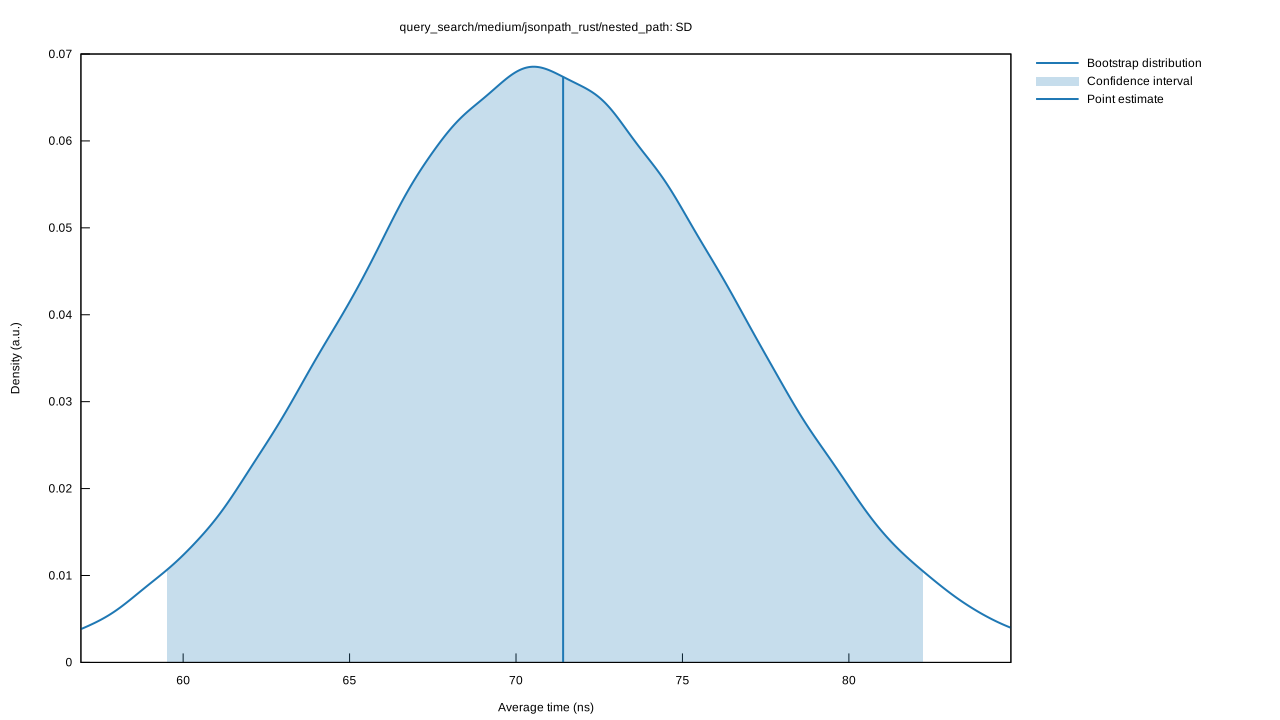
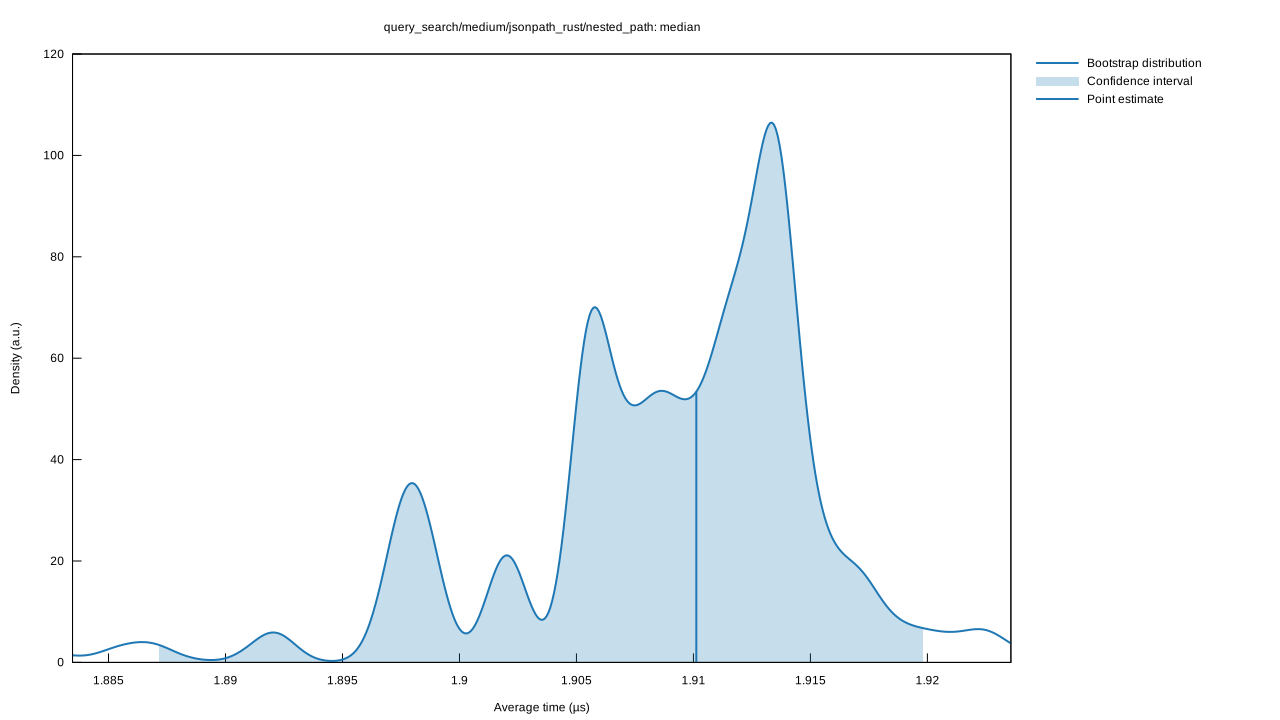
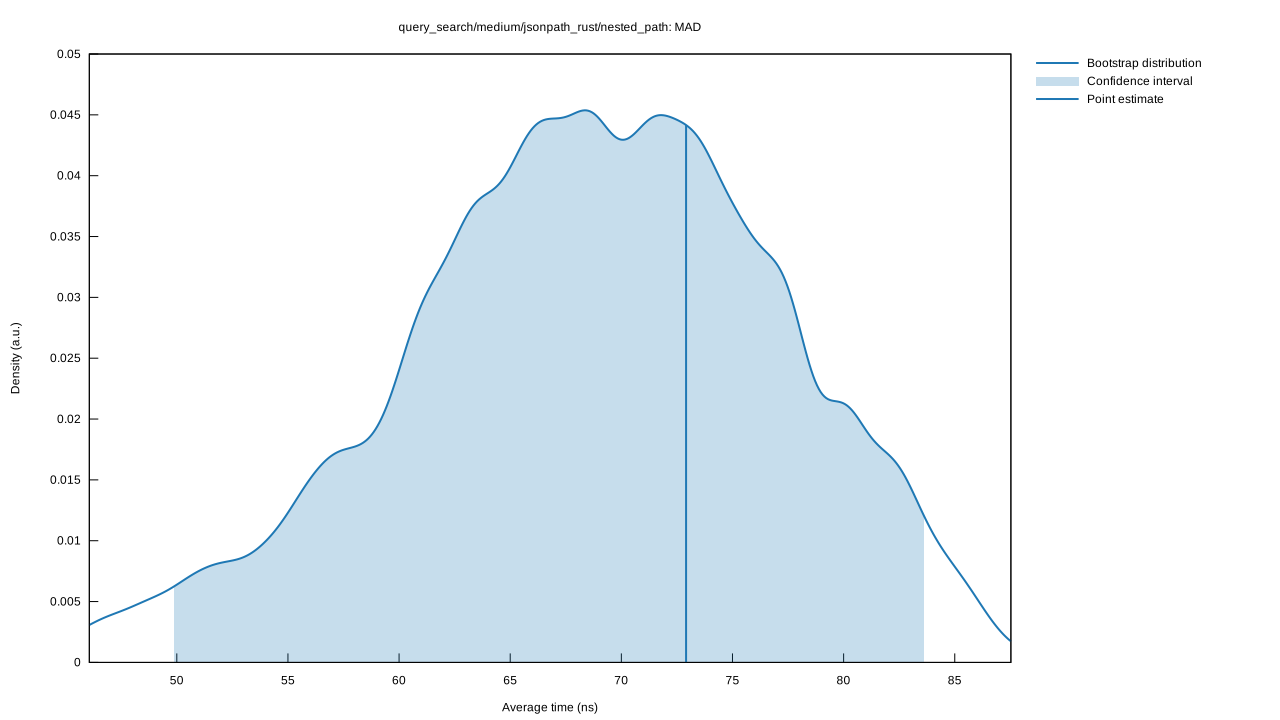
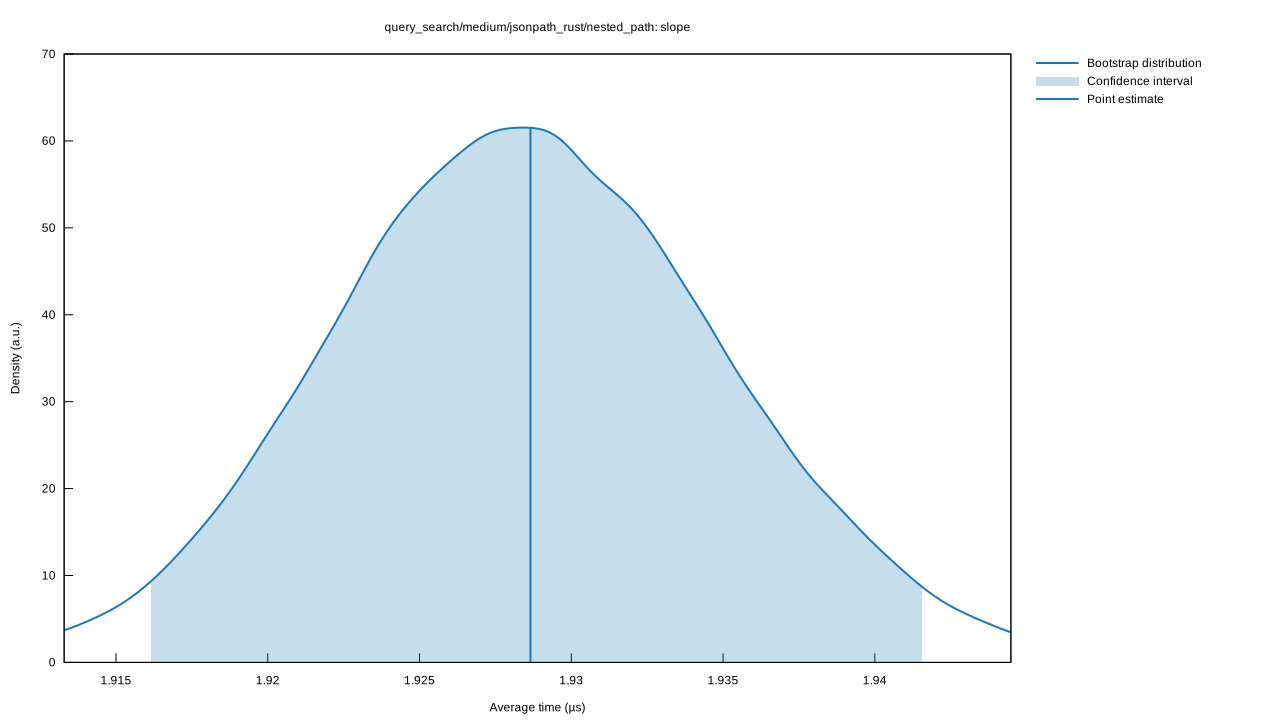
Understanding this report:
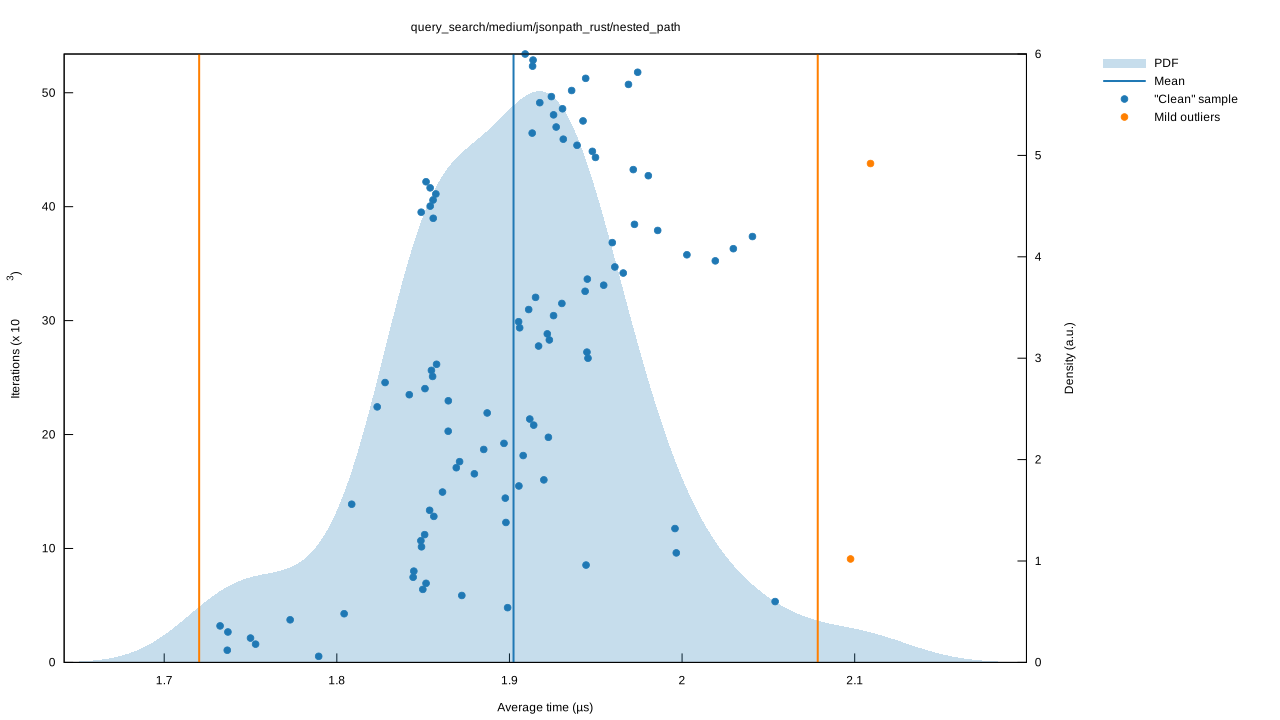
The plot on the left displays the average time per iteration for this benchmark. The shaded region shows the estimated probability of an iteration taking a certain amount of time, while the line shows the mean. Click on the plot for a larger view showing the outliers.
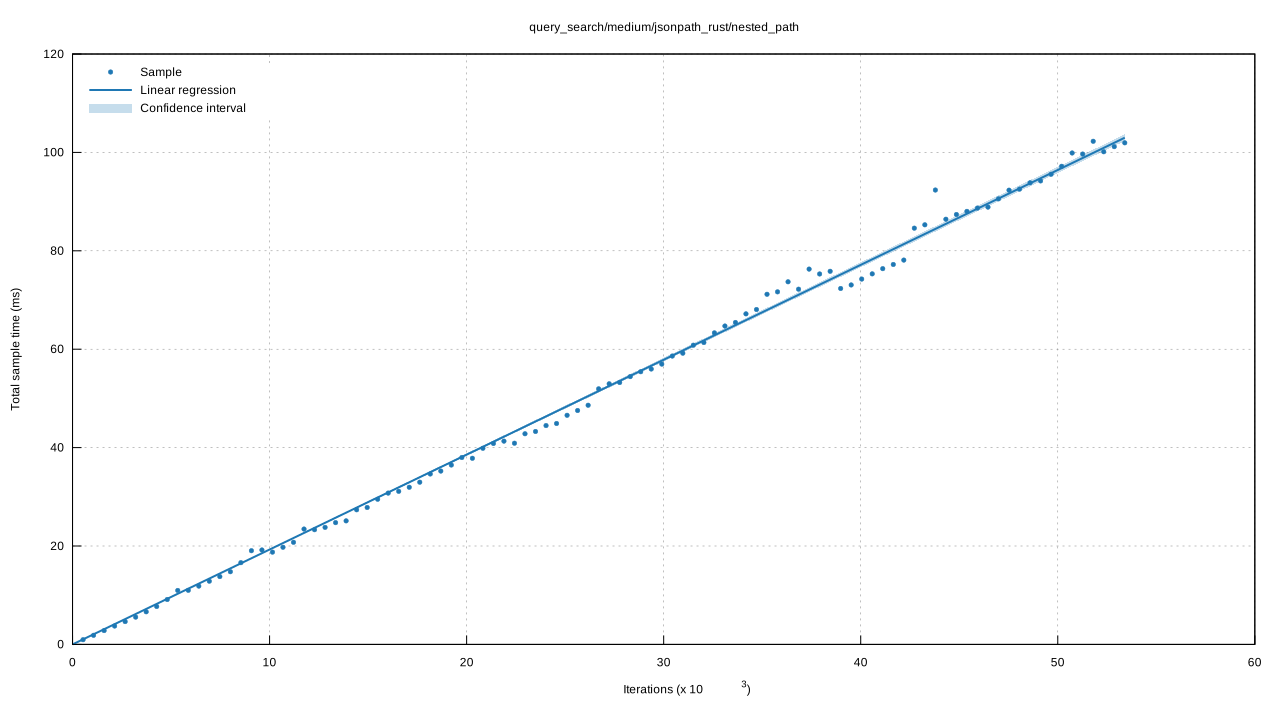
The plot on the right shows the linear regression calculated from the measurements. Each point represents a sample, though here it shows the total time for the sample rather than time per iteration. The line is the line of best fit for these measurements.
See the documentation for more details on the additional statistics.